
Should You Get a Vintage Engagement Ring? 2026 Engagement Ring Trends
The engagement ring market is evolving quickly, shaped by shifting values, design preferences, and generational influence. Within this landscape, the vintage engagement ring has emerged as both a style statement and a cultural signal, appealing to buyers who want something meaningful, distinctive, and enduring. As we move through 2025, the conversation around engagement jewelry is increasingly centered on individuality, sustainability, and long-term emotional value, making antique-inspired designs more relevant than ever.
A vintage engagement ring is no longer viewed as a niche choice reserved for collectors or antique enthusiasts. Instead, it has become a mainstream option for couples who want character and craftsmanship that stands apart from mass-produced modern designs. This shift is also being fueled by younger consumers who are reshaping purchasing behavior across the jewelry industry. According to Gitnux, Millennials and Generation Z collectively are expected to influence over 65% of jewelry sales by 2025, signaling a strong move toward personalized and story-driven purchases.
Design trends in 2025 also reflect a return to individuality, with more couples seeking rings that feel intentional rather than algorithmically designed. A vintage engagement ring often fits naturally into this movement because it carries both visual uniqueness and historical identity. Understanding whether a vintage engagement ring is right for you involves looking beyond aesthetics and considering craftsmanship, authenticity, lifestyle fit, and long-term meaning.
What Defines A Vintage Engagement Ring?
A vintage engagement ring is typically defined by its age, design era, and craftsmanship style. In most cases, the term refers to rings that are at least 20 to 100 years old, though some modern pieces are designed in vintage-inspired styles that replicate historical aesthetics. This distinction is important because true antique pieces carry historical value that newer reproductions cannot fully replicate.
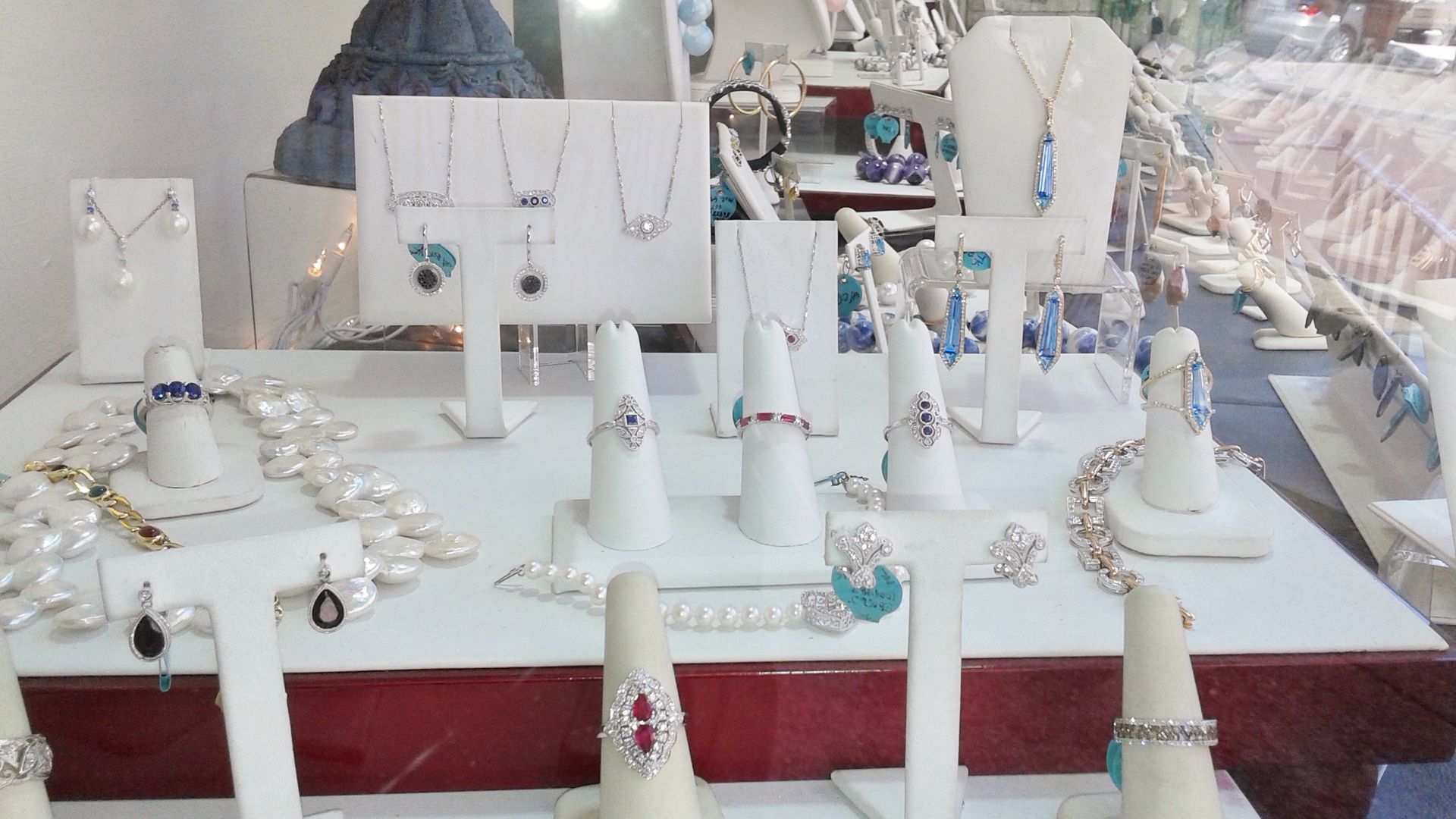
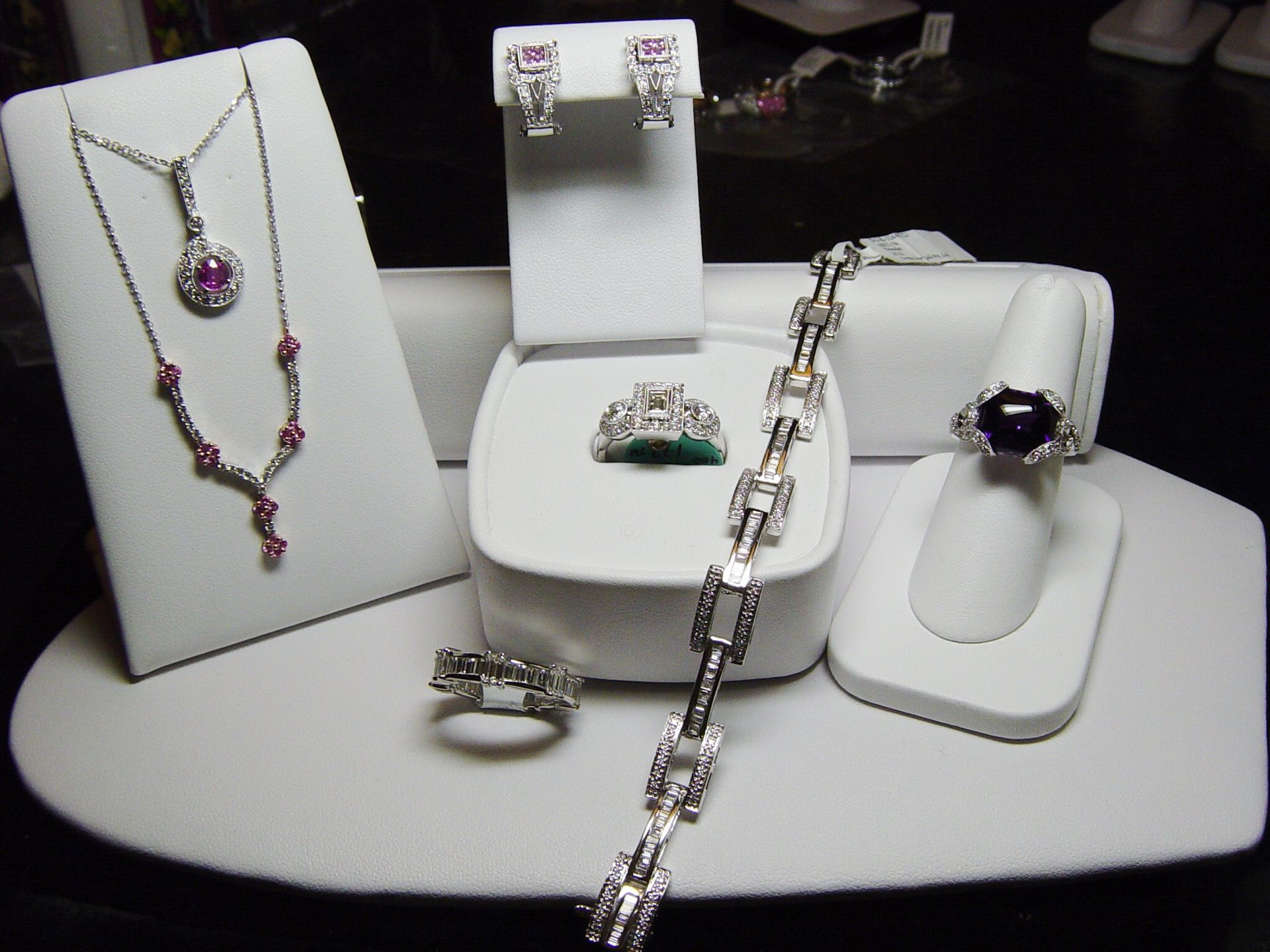
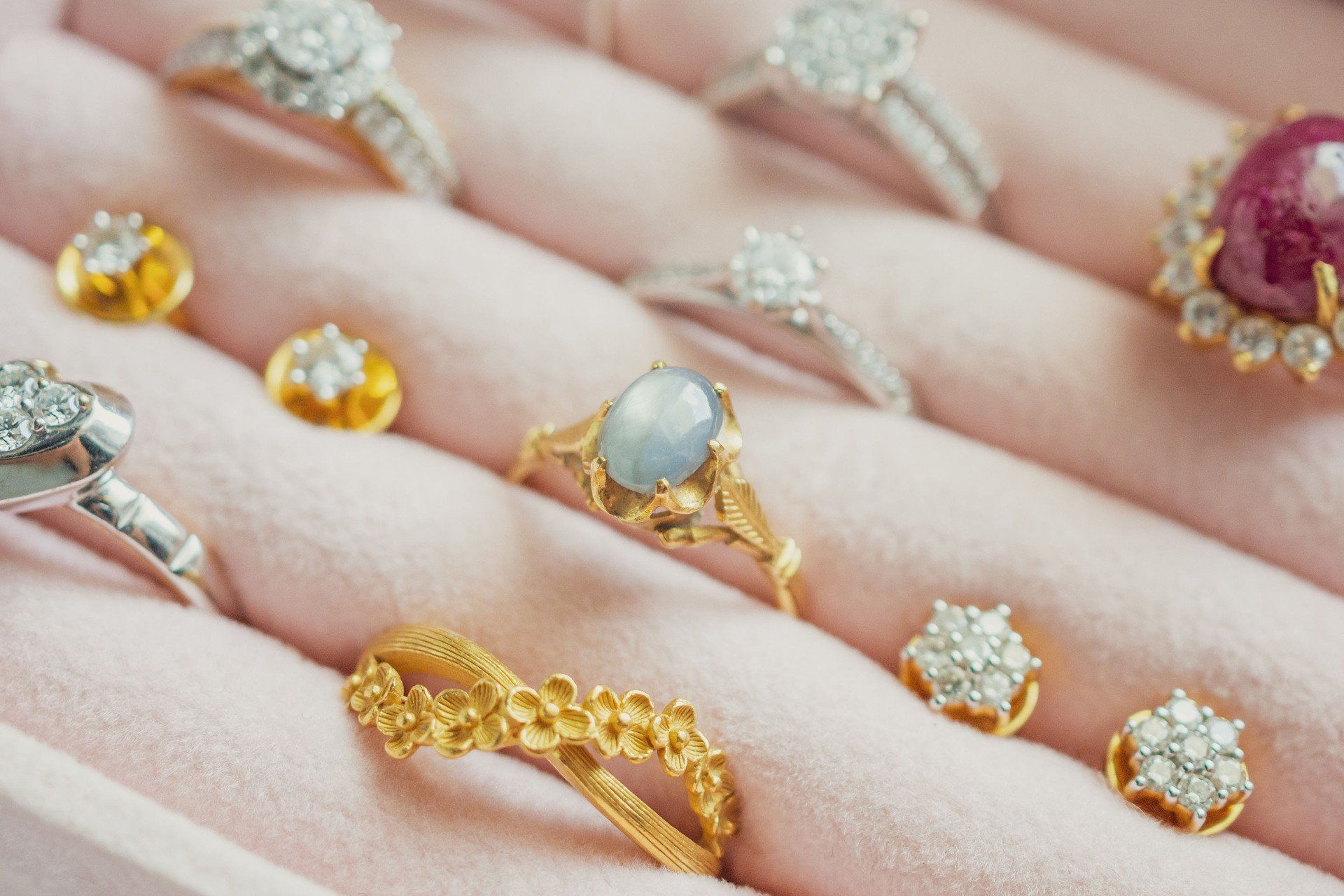
Design eras such as Edwardian, Art Deco, and Victorian each contribute distinct visual elements to what is commonly recognized as a vintage engagement ring. These rings often feature intricate metalwork, filigree detailing, milgrain edges, and unique gemstone cuts that differ from contemporary standards. Unlike modern minimalist trends, a vintage engagement ring tends to emphasize ornamentation and artistry.
Material composition also plays a role in defining a vintage engagement ring. Many older pieces were crafted using higher-karat gold alloys or platinum with hand-finished settings. These methods often result in subtle irregularities that reflect human craftsmanship rather than machine precision. That imperfection is often considered part of the charm and authenticity of a vintage engagement ring.
Why Choose A Vintage Engagement Ring In 2025?
Choosing a vintage engagement ring in 2025 is often driven by a combination of sustainability, sentimentality, and design preference. One of the most compelling reasons is environmental consciousness. Reusing or restoring a ring reduces demand for newly mined materials, aligning with broader ethical purchasing trends that continue to grow across luxury markets.
There is also a growing desire for meaningful consumption. A vintage engagement ring carries history, which adds emotional depth to the purchase. Many buyers appreciate the idea that their ring has already lived a life before becoming part of a new story. This sense of continuity can make the piece feel more personal than a newly manufactured alternative.
Another reason couples are drawn to a vintage engagement ring is its individuality. No two antique pieces are exactly alike, and even similar designs often differ in subtle but noticeable ways. That uniqueness makes it appealing to buyers who want something that feels truly their own.
Market behavior supports this shift. According to Gitnux, younger generations are expected to drive over 65% of jewelry sales by 2025, reinforcing the rise of meaningful, story-rich purchases. In this context, a vintage engagement ring is not just a fashion choice but a reflection of evolving consumer values.
How To Identify Authentic Vintage Engagement Rings
Identifying an authentic vintage engagement ring requires careful evaluation of craftsmanship, materials, and documentation. One of the first indicators is construction quality. Older rings are often handcrafted, meaning slight asymmetry or irregular detailing can actually signal authenticity rather than a flaw.
Hallmarks and engravings are another important clue. These markings can indicate metal purity, origin, or manufacturer. However, not all vintage engagement ring pieces are clearly stamped, especially those that have undergone resizing or restoration over time.
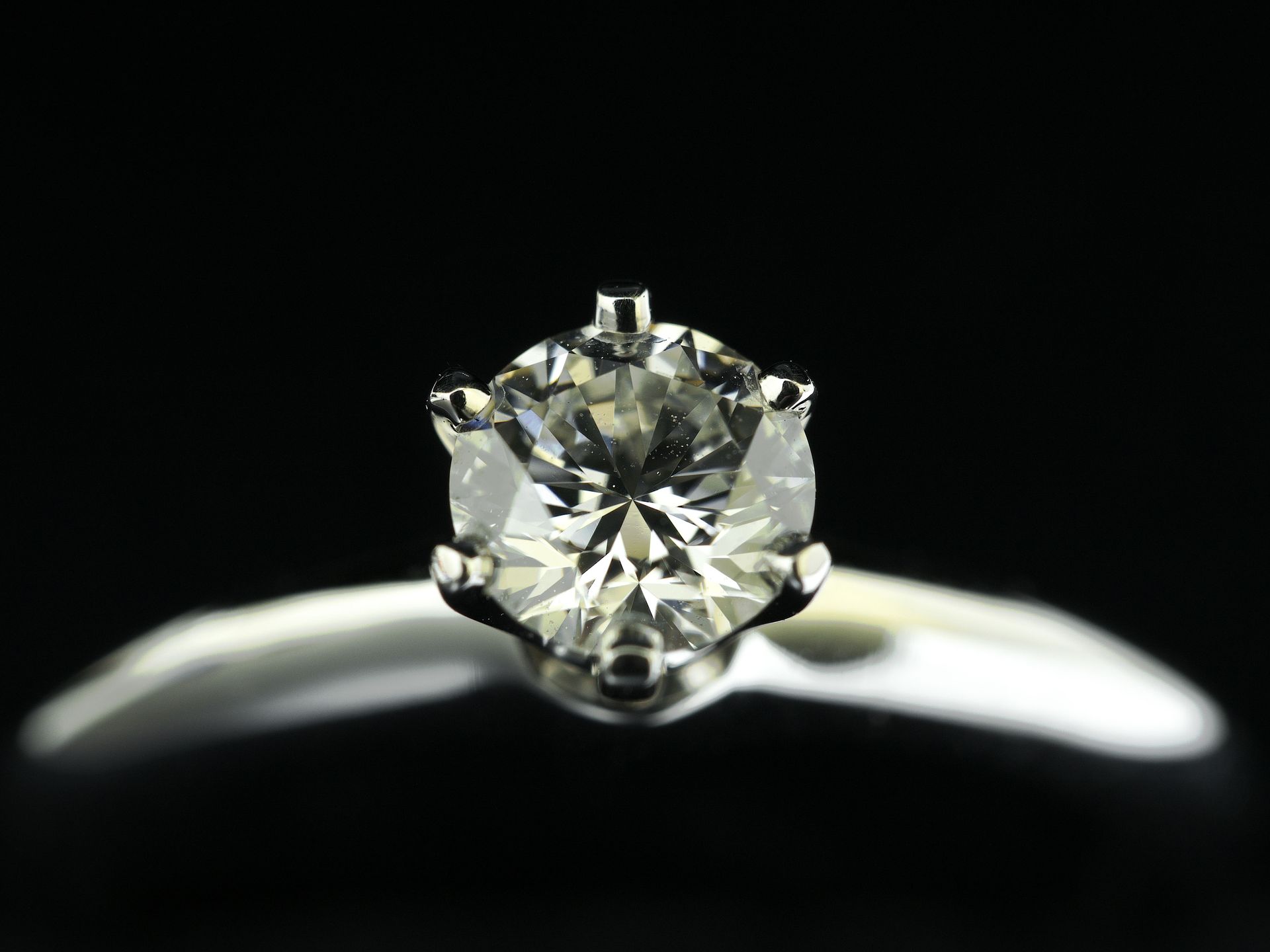
Gemstone cuts also provide valuable insight. A vintage engagement ring may feature old mine cuts, rose cuts, or early European cuts, all of which differ from modern precision-cut diamonds. These older styles often produce a softer, more romantic light reflection rather than the intense brilliance of modern stones.
Buyers should also be cautious about confusion between vintage-inspired and authentic antique pieces. A vintage engagement ring created today may replicate historical aesthetics without actually carrying historical origin. While both can be beautiful, only one holds antique value, making verification essential through appraisal or certified antique jewelry experts.
Comparison: Vintage Vs. Modern Engagement Rings
The decision between a vintage engagement ring and a modern engagement ring often comes down to personal priorities, including aesthetics, durability, and emotional meaning.
A vintage engagement ring typically emphasizes craftsmanship, detail, and history. These rings often feature ornate designs that reflect artistic traditions from past eras. They also carry a sense of narrative, which can make them feel more emotionally layered than contemporary designs.
Modern engagement rings focus more on precision, customization, and structural consistency. They are typically engineered using advanced technology that ensures uniform quality and allows for highly specific personalization. While they may lack historical depth, they often offer greater predictability in durability and maintenance.
Another key difference is resale and collectability value. A well-preserved vintage engagement ring may retain or even increase in value over time, depending on rarity and condition. Modern rings, by contrast, generally follow more standardized depreciation patterns unless they feature rare gemstones or designer branding.
Emotionally, a vintage engagement ring often resonates with buyers who value symbolism and legacy, while modern rings appeal to those who prioritize control over design and function.
Where To Buy Authentic Vintage Engagement Rings
Finding a genuine vintage engagement ring requires sourcing from trusted and knowledgeable sellers. Reputable antique jewelers are often the best starting point, as they specialize in authentication and restoration while preserving original design elements.
Auction houses can also be valuable sources for a vintage engagement ring, especially for rare or high-value pieces. These venues typically provide detailed provenance, which helps verify authenticity and historical background.
Specialty estate jewelry stores are another strong option. Many of these retailers curate collections that include both fully restored and lightly worn vintage engagement ring pieces, offering a balance between authenticity and wearability.
Online marketplaces can expand access significantly, but they require careful evaluation. Buyers should look for certifications, high-resolution imagery, and clear return policies when purchasing a vintage engagement ring digitally. Transparency is essential to avoid misrepresentation or reproduction of listings.
Choosing a vintage engagement ring in 2025 reflects more than a design preference—it reflects a shift in how people define value, meaning, and identity in jewelry. As sustainability and individuality continue to influence consumer behavior, vintage styles are becoming increasingly relevant in modern engagement decisions.
A vintage engagement ring offers a combination of craftsmanship, history, and emotional depth that is difficult to replicate with mass-produced alternatives. Whether it is the intricate detailing, the unique gemstone cuts, or the sense of legacy attached to the piece, it carries qualities that resonate with many modern buyers.
Ultimately, deciding whether a
vintage engagement ring is right for you depends on what you want your jewelry to represent. For many, it becomes more than an accessory—it becomes a lasting symbol of story, style, and intention that aligns closely with the values shaping 2025 and beyond. If you're interested in a vintage engagement ring, reach out to the team at Maryanne S. Ritter Jewelers today!
Share On: