
6 Important Questions for Your Jeweler
Purchasing fine jewelry is often tied to life’s most meaningful moments, whether celebrating an engagement, anniversary, birthday, or personal milestone. Because jewelry represents both emotional and financial value, asking the right questions before making a purchase is essential. Understanding details about quality, craftsmanship, sourcing, and maintenance allows buyers to make confident decisions that align with their style and budget.
Fine jewelry comes in many forms, from engagement rings and necklaces to bracelets and timeless diamond earrings that can be worn for generations. Every piece carries unique characteristics that affect its appearance, durability, and value. By learning what to ask a jeweler, customers can better evaluate the materials, artistry, and long-term worth of each item.
1. What Should I Know About the Quality of the Materials?
One of the first topics to discuss with a jeweler is the quality of the materials used in a piece. Precious metals such as gold, platinum, and silver vary in durability, appearance, and maintenance requirements. Gold, for example, comes in different purity levels measured in karats. While higher-karat gold contains a greater percentage of pure gold, it may also be softer and more susceptible to scratching.
Gemstones are another major factor in determining quality. Buyers should ask whether stones are natural, lab-grown, or treated to enhance appearance. Treatments can improve clarity or color, but they may also affect long-term value. According to Forbes, no major new diamond deposits have been discovered in approximately 30 years, increasing the importance of sourcing gemstones responsibly and from reputable suppliers.
Certification is equally important when purchasing fine jewelry. Trusted grading organizations provide reports that detail a diamond’s cut, clarity, color, and carat weight. These certifications offer reassurance regarding authenticity and quality. Whether purchasing rings, pendants, or elegant diamond earrings, buyers should always request documentation to support the value of the piece.
2. How Can I Evaluate Jewelry Craftsmanship
Craftsmanship plays a critical role in the beauty and durability of fine jewelry. Asking how a piece is constructed can reveal valuable information about its overall quality. Handcrafted jewelry often involves meticulous attention to detail, while mass-produced pieces may prioritize speed over individuality.
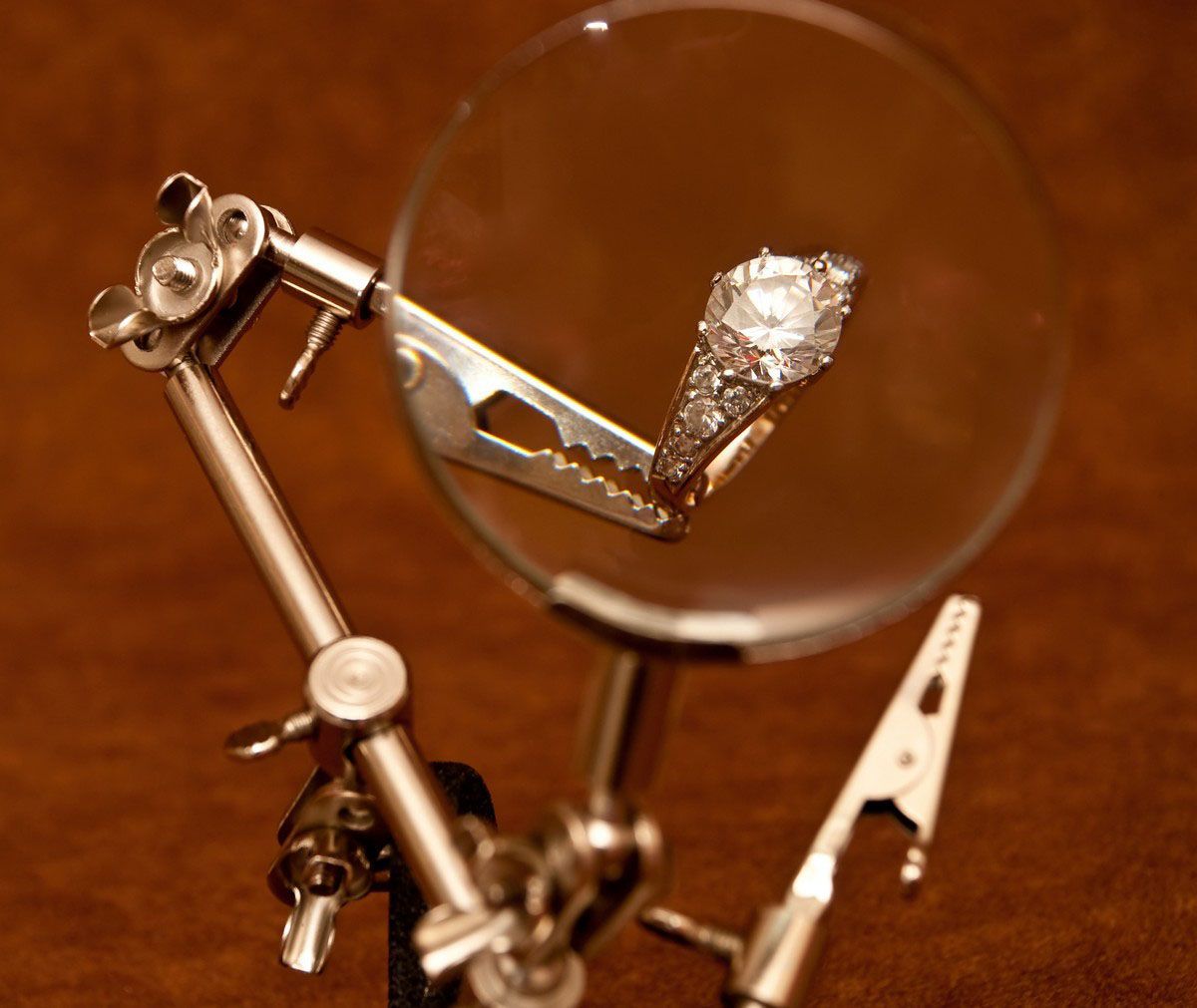
A skilled jeweler carefully designs settings to securely hold gemstones while enhancing their brilliance. The precision of prongs, clasps, and finishing details contributes to both appearance and long-term durability. Buyers should inspect pieces closely for smooth finishes, balanced settings, and secure stone placement.
Maintenance recommendations are another important discussion point. Some pieces require routine inspections or professional cleaning to maintain their condition. Intricate settings or delicate designs may need more frequent attention. Understanding these care requirements helps preserve the beauty of treasured items such as diamond earrings and other valuable jewelry pieces for years to come.
3. What Determines The Value of a Jewelry Piece?
Understanding how jewelry is priced helps buyers determine whether they are receiving fair value. The final cost of a piece typically reflects several factors, including material quality, gemstone grading, labor, design complexity, and brand reputation. A trustworthy jeweler should be transparent about these elements and willing to explain the pricing structure.
Comparing similar pieces can also help buyers evaluate value. Examining differences in gemstone quality, craftsmanship, and design allows customers to better understand why certain pieces command higher prices. Rare cuts, vintage details, or unique settings may increase exclusivity and future desirability. Return and exchange policies provide additional peace of mind. Reputable jewelers typically offer clear guidelines regarding returns, resizing, repairs, or exchanges. Understanding these policies before purchasing helps protect your investment and ensures flexibility if adjustments are needed later.
Insurance is another topic buyers should address. High-value items, including luxury watches and diamond earrings, may benefit from insurance coverage that protects against theft, loss, or damage. Appraisals provided by jewelers can assist in securing proper coverage for valuable collections.
4. What Customization Options Does the Jeweler Offer?
Customization allows buyers to create jewelry that reflects personal style and sentimental significance. Many jewelers offer options to modify settings, engrave messages, or incorporate specific gemstones into a design. Asking about customization opportunities opens the door to creating one-of-a-kind pieces. Custom jewelry often begins with a consultation where the buyer discusses preferences, inspirations, and budget. Jewelers may provide sketches or computer-generated renderings to visualize the final design before production begins. This collaborative process helps ensure satisfaction with the finished piece.
Customization can also address practical considerations such as ring sizing or stone selection. Buyers may choose alternative gemstones, adjust metal types, or request design modifications to better suit their preferences. Understanding what changes are possible helps avoid disappointment later in the process. It is equally important to ask about production timelines and associated costs. Custom pieces may require several weeks or months, depending on complexity and material availability. Having a clear estimate for both timing and pricing helps buyers plan accordingly, especially for special occasions or milestone celebrations.
Many customers choose customized diamond earrings because they offer an opportunity to create a truly personal accessory. Whether selecting unique cuts, halo settings, or vintage-inspired details, customization transforms jewelry into something deeply meaningful and distinctive.
5. How Does the Jeweler Ensure Ethical Sourcing?
Ethical sourcing has become increasingly important within the jewelry industry. Consumers today are more aware of how gemstones and precious metals are mined, processed, and distributed. Asking questions about sourcing practices allows buyers to support companies committed to responsible standards. Conflict-free diamonds are one of the most common concerns among jewelry buyers. Ethical jewelers work with suppliers who follow international standards designed to prevent diamonds from funding violence or exploitation. Buyers should ask how a jeweler verifies the origin of their stones.
Environmental impact is another consideration. Mining can affect ecosystems, water sources, and local communities if not managed responsibly. Some jewelers prioritize recycled metals or sustainably sourced gemstones to reduce environmental harm. Supporting these practices encourages greater accountability within the industry. Labor practices also matter when evaluating ethical sourcing. Responsible jewelers ensure fair treatment, safe working conditions, and ethical wages throughout their supply chains. Certifications and third-party audits may provide additional reassurance regarding these commitments.
Transparency is key in building trust between jewelers and customers. Buyers who ask about sourcing practices demonstrate the growing importance of ethical responsibility in today’s marketplace. Choosing ethically sourced jewelry ensures that meaningful purchases align with personal values and broader sustainability goals.
6. What Care and Maintenance Does My Jewelry Require?
Proper care is essential for preserving the beauty and longevity of fine jewelry. Different metals and gemstones require specific cleaning methods to avoid damage. Buyers should ask their jeweler about recommended cleaning routines and products for each piece they purchase. Professional cleanings can help restore shine and identify potential issues before they become serious problems. Loose prongs, worn clasps, or damaged settings may compromise the security of gemstones if left unaddressed. Routine inspections by a jeweler help maintain both appearance and structural integrity.
Storage also plays a significant role in jewelry preservation. Pieces should ideally be stored separately in soft-lined boxes or pouches to prevent scratches and tangling. Exposure to moisture, chemicals, or excessive sunlight may damage certain materials over time. Jewelry warranties and repair services provide additional reassurance for buyers. Some jewelers offer complimentary inspections, resizing, or cleaning services as part of their customer care programs. Understanding these services helps buyers feel confident about maintaining their investment long-term. Whether caring for engagement rings, necklaces, or cherished diamond earrings, proper maintenance ensures that jewelry remains beautiful and wearable for generations.
Asking thoughtful questions when purchasing jewelry helps buyers make informed, confident decisions about quality, craftsmanship, value, customization, and ethical sourcing. Understanding these details ensures that every piece purchased carries both beauty and long-term significance. For those searching for exceptional service and timeless fine jewelry, Maryanne S. Ritter Jewelers offers professional guidance, stunning collections, and personalized attention to help customers find the perfect piece for any occasion. Whether you are shopping for engagement rings, custom jewelry, or elegant diamond earrings, our experienced team is ready to help you make a meaningful and lasting choice. Contact us today!
Share On: